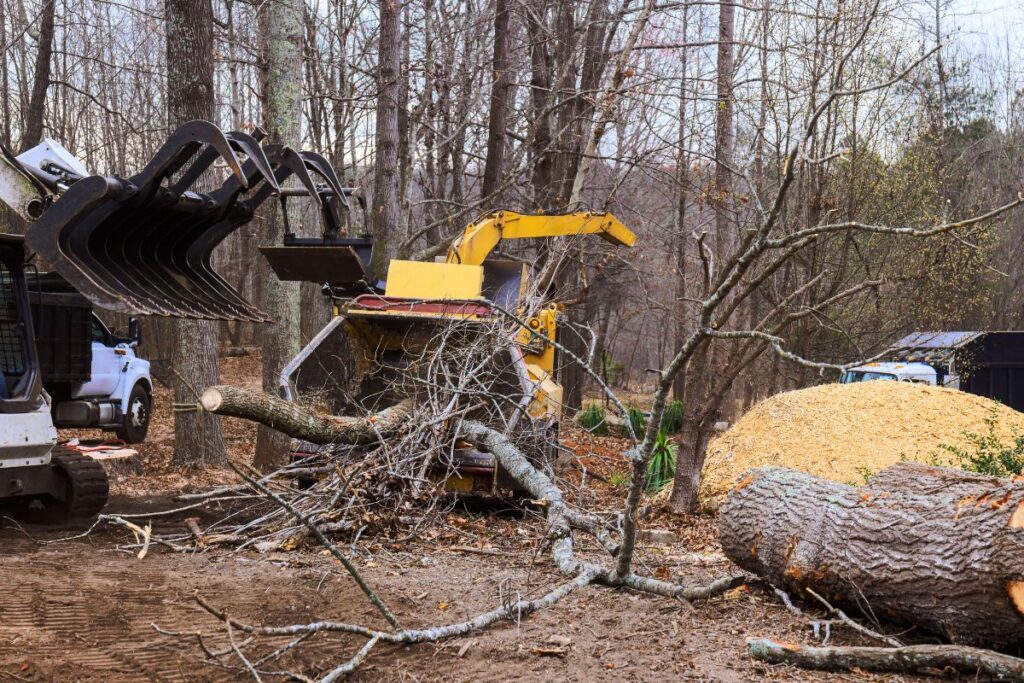

What to Consider When Removing a Tree
Tree removal is a big decision that can have lasting effects on your property, garden, and local environment. Whether the tree has become unsafe, is growing too close to a building, or simply no longer suits your space, it’s worth taking time to plan the process properly. Here are the key things to consider before you remove a tree.
Safety First
Safety should always come before anything else. Large trees, especially those that are old, diseased, or storm-damaged, can be unpredictable when being cut. Branches can fall suddenly, trunks can twist, and unseen rot can cause sections to give way. Even small trees can be hazardous if handled without the right equipment or experience.
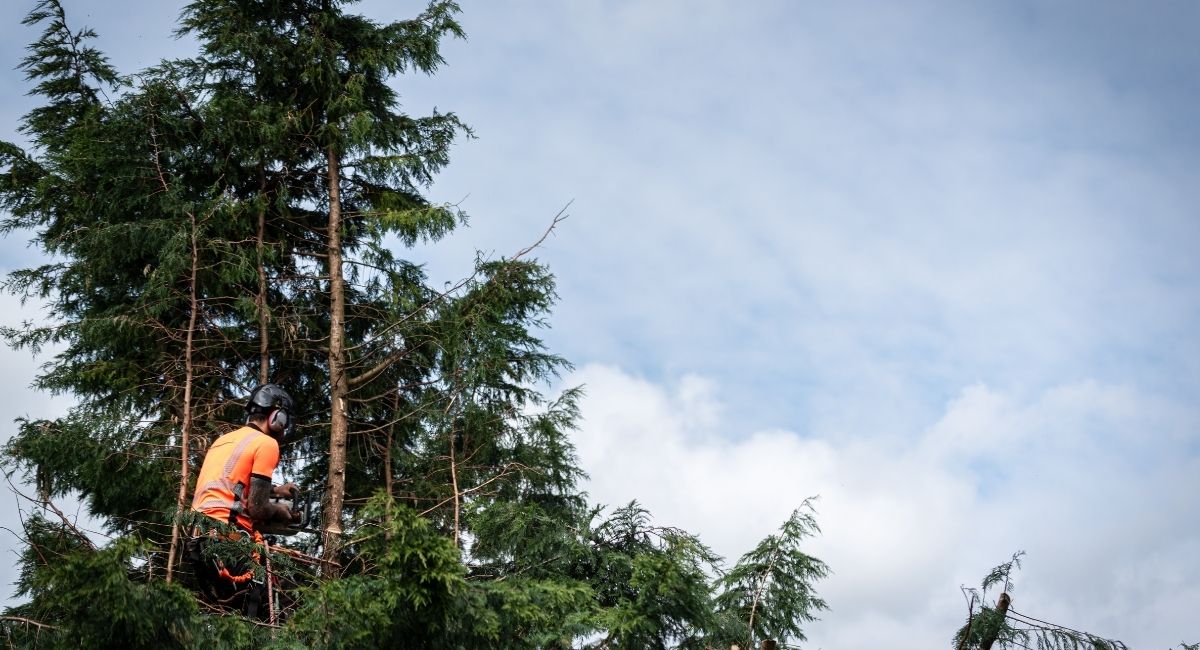
Professional tree surgeons use ropes, rigging systems, and precision cutting methods to control every stage of removal. They also wear full protective gear and work to industry safety standards. Hiring an expert not only protects you and your property, it also prevents injury and damage that can occur with DIY attempts.
Check for Tree Preservation Orders (TPOs)
Before you do anything, check whether your tree is protected. In many parts of the UK, local councils issue Tree Preservation Orders to protect trees that have environmental, historical, or visual value. If your tree is covered by a TPO, or if it sits within a conservation area, you must apply for permission before carrying out any work.
Removing or heavily pruning a protected tree without approval can result in significant fines and enforcement action. You can usually check the TPO status by contacting your local planning department. It’s a quick step that can save a lot of trouble later.
Consider Wildlife and Nesting Seasons
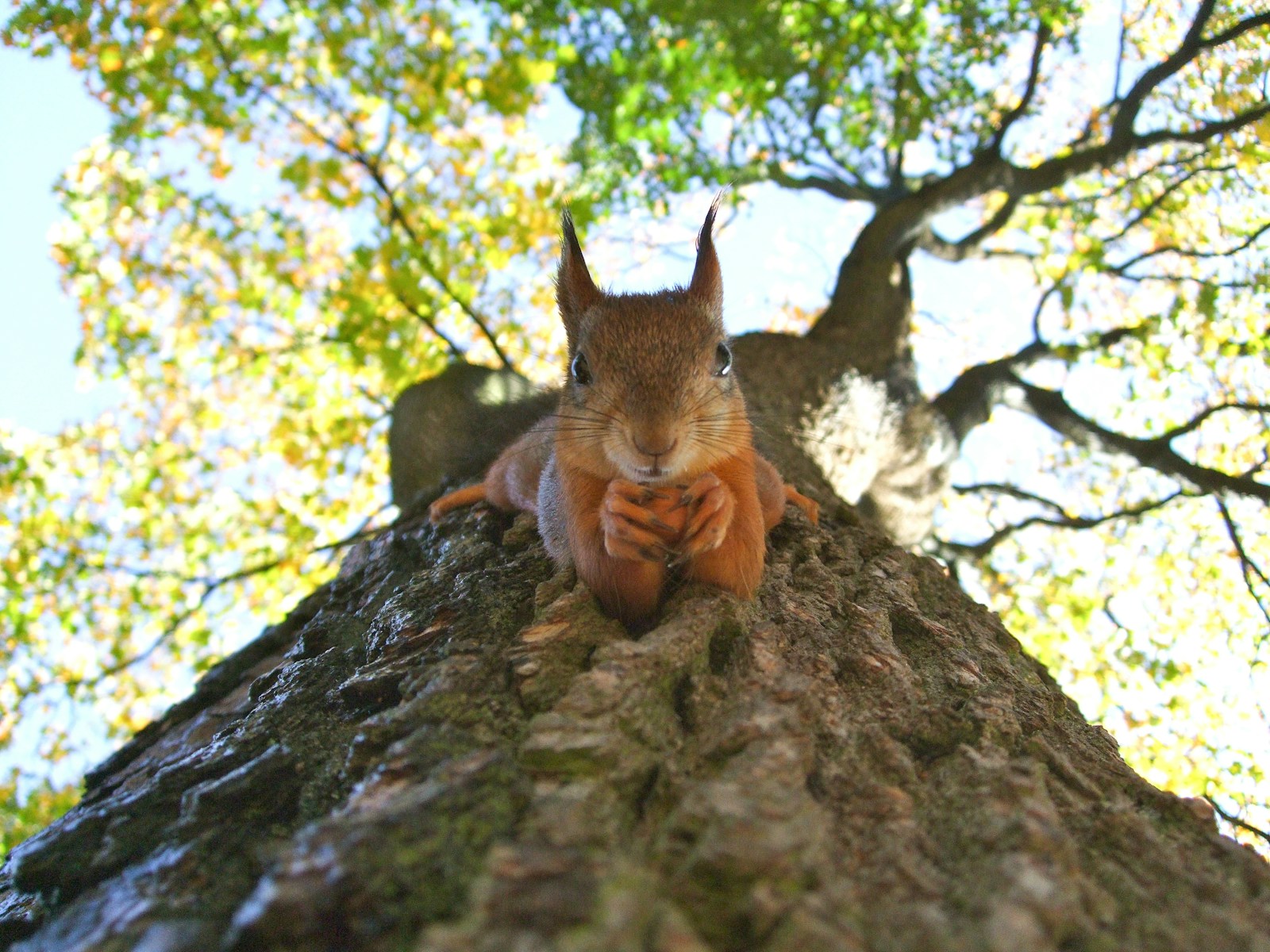
Trees are vital habitats for birds, bats, insects, and other wildlife. Cutting down a tree without checking first can disturb or destroy these habitats. In the UK, it’s illegal to disturb nesting birds or bat roosts, so timing and assessment are crucial.
Tree surgeons are trained to spot signs of wildlife activity, such as nests, droppings, or bat roosts, and can arrange a professional ecology check if needed. If a tree contains active nests, work should be postponed until the nesting season is over, usually between March and August.
Assess the Health of the Tree
Sometimes, a tree that looks unhealthy can actually be saved. Dead branches, leaning trunks, or fungal growths don’t always mean removal is the only option. An arborist can inspect the tree’s structure, root system, and overall vitality to recommend the best course of action.
In many cases, pruning, crown reduction, or bracing can make a tree safe and restore its balance. This approach keeps valuable greenery in your garden and avoids the sudden gap a removed tree can leave behind.
Think About the Impact on Your Garden
Taking out a tree can change your outdoor space more than you expect. It can increase light, but it can also affect privacy, shade, and the visual balance of your garden. If a tree has been in place for decades, its roots may also play a role in drainage and soil stability.
It’s worth visualising what the space will look like after removal and considering whether you want to replant. A smaller, more suitable species can help maintain biodiversity while preventing future problems with size or structure.
Plan for Stump Removal and Aftercare
Once a tree has been felled, you’ll need to decide what to do with the stump. Leaving it in place might seem easier, but it can lead to new shoots growing or attract insects and fungi. Stump grinding is the most effective way to clear the area completely, allowing you to replant grass, shrubs, or another tree.
After removal, the ground may need levelling and new soil added to restore the area. Proper aftercare ensures the space stays healthy and ready for whatever comes next in your garden.
Hire a Qualified Professional
Tree removal is not a simple job. Always choose a qualified, insured, and experienced professional. Look for credentials such as NPTC certification or membership with recognised bodies like the Arboricultural Association. These indicate that the tree surgeon follows safe, environmentally responsible practices.
A professional team will handle every step, from risk assessments and council permissions to waste removal and site cleanup. They’ll also make sure the job is completed safely and efficiently, leaving your property tidy and secure.
In Summary
Removing a tree should always be approached with care, planning, and respect for the environment. Checking permissions, protecting wildlife, and hiring skilled professionals all make a difference. With the right preparation, you can ensure the process is safe, legal, and beneficial for your garden’s long-term health.