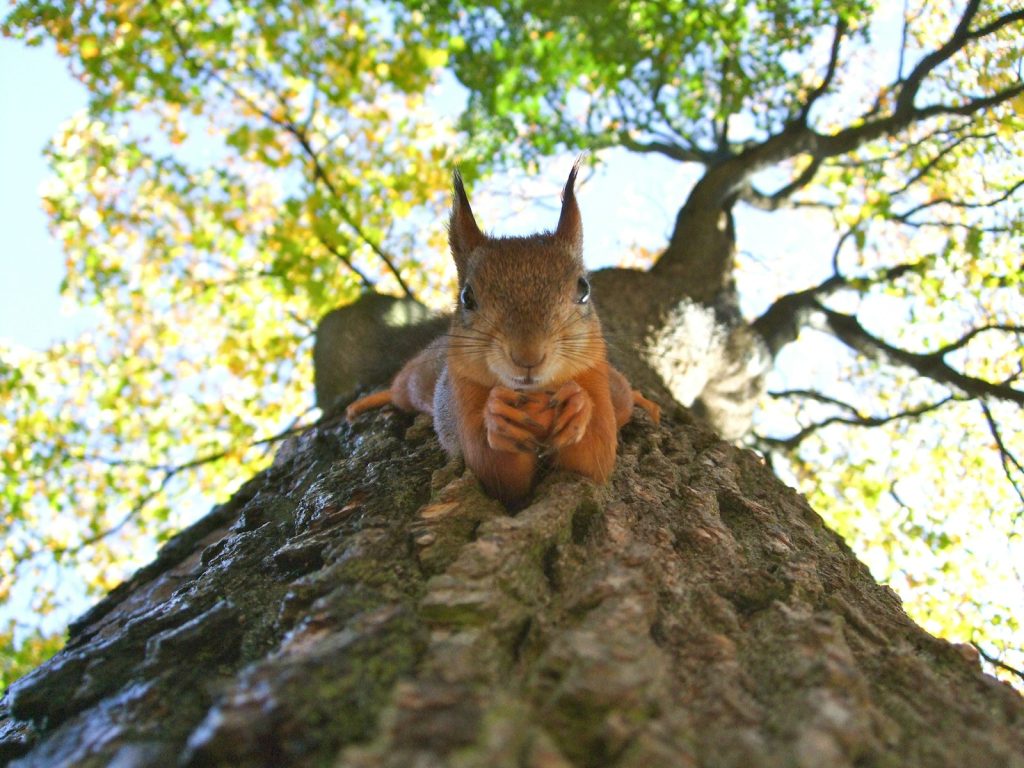

Overhanging tree branches are one of those issues that crop up regularly, especially in established gardens or rural settings. Trees grow slowly and quietly, and before you know it, branches that once felt well clear are suddenly shading a garden, dropping debris, or brushing against buildings.
It’s completely natural to wonder what your rights are, and whether you can simply cut them back. The answer is yes, sometimes, but there are important things to consider first.
Can you cut back overhanging branches?
In the UK, the general rule is that you are allowed to cut back branches that overhang your property, but only as far as your boundary line. You can’t cut beyond it, and you can’t access your neighbour’s land without their permission.
That said, this right comes with responsibility. Any work you do must not damage the overall health or stability of the tree. Heavy-handed or poorly placed cuts can weaken a tree, invite disease, or make it unsafe in high winds.
There’s also a common misunderstanding about cuttings. Legally, the branches still belong to the tree’s owner, so they should be offered back rather than disposed of without agreement.
It’s not just about boundaries
Trees aren’t fences, they’re living structures. Even where the law allows pruning, the way it’s done matters.
Badly cut branches can cause long-term problems that only become obvious years later. Uneven weight distribution, decay entering through poor cuts, or excessive pruning can all compromise a tree’s future. In some cases, this can lead to disputes later on if damage becomes apparent.
This is why many people choose to pause before doing anything themselves, even if the branches are technically over their land.
Protected trees and conservation areas
Before any cutting takes place, it’s important to check whether the tree is protected. Trees covered by a Tree Preservation Order, or those located within a Conservation Area, require permission from the local authority before any work is carried out, even if the branches overhang your property. Ignoring this can result in fines and enforcement action, which often comes as a shock to homeowners who thought they were acting within their rights. A quick check at this stage can save a lot of stress later.
When professional advice really matters
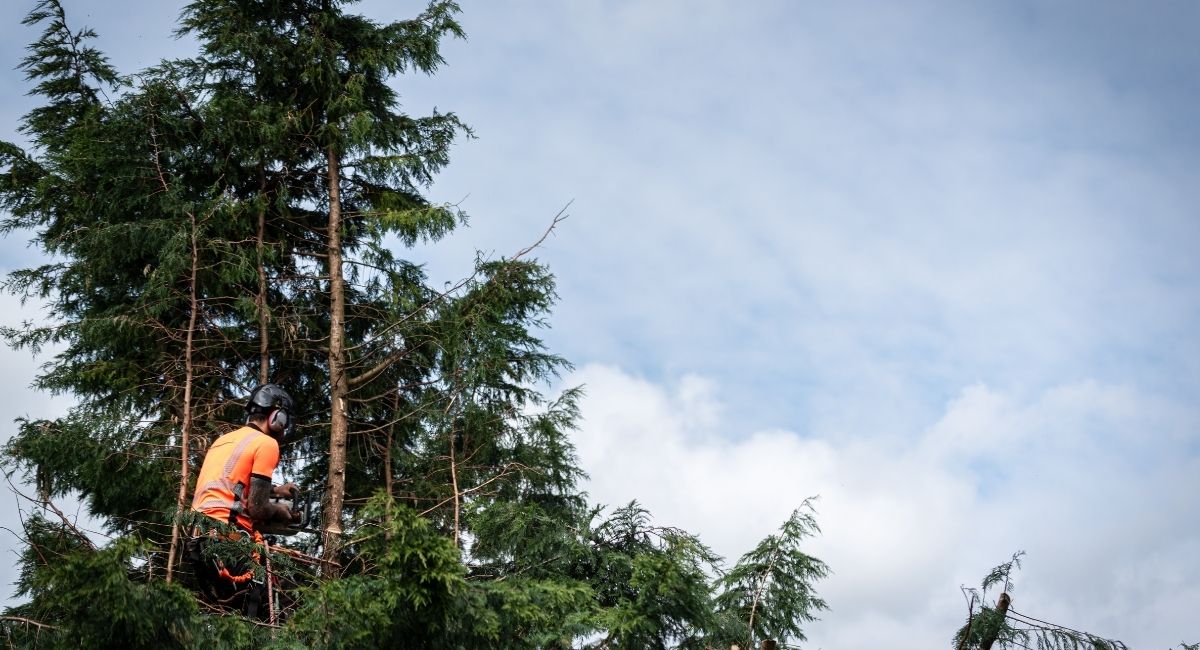
If the branches are large, close to buildings, or part of a mature tree, professional advice is strongly recommended. Tree work carries safety risks, and what looks straightforward from the ground often isn’t once you’re up close.
A qualified tree surgeon will look at the whole tree, not just the overhanging section. The aim is to manage the issue while keeping the tree healthy, stable, and compliant with regulations.
How Native Forest approaches overhanging branches
Native Forest works with a strong emphasis on responsible tree management. Our first step is always to assess the situation properly, the tree’s health, its surroundings, and any legal considerations.
Where pruning is appropriate, we carry it out sympathetically, with the long-term condition of the tree in mind. We’re also happy to advise on permissions and, where needed, help keep communication with neighbours clear and straightforward.
Our approach is about balance, protecting people and property while respecting the tree itself. Get in touch to learn more.
Useful things to know at a glance
• You can usually cut back branches to your boundary, but no further
• The work must not harm the tree
• Cut branches still belong to the tree owner
• TPOs and Conservation Areas change what you’re allowed to do
• Poor pruning can cause bigger problems later
Frequently asked questions
Can I cut my neighbour’s tree without telling them?
You don’t need permission to cut branches overhanging your boundary, but good communication is always advised. It often avoids misunderstandings later.
What if the branches are dangerous or damaged?
If there’s an immediate risk, professional assessment is important. Responsibility can depend on ownership and condition, so advice should be sought quickly.
Do I need permission if the tree is protected?
Yes. Protected trees require consent before any pruning, regardless of where the branches extend.