
The cost of removing a tree varies because every situation is different. Tree size, safety risks, access and equipment all change what the job requires. This guide breaks down the main factors an arborist considers when giving a quote. It is written to help homeowners understand why prices differ and when costs increase or decrease.
Tree size and species
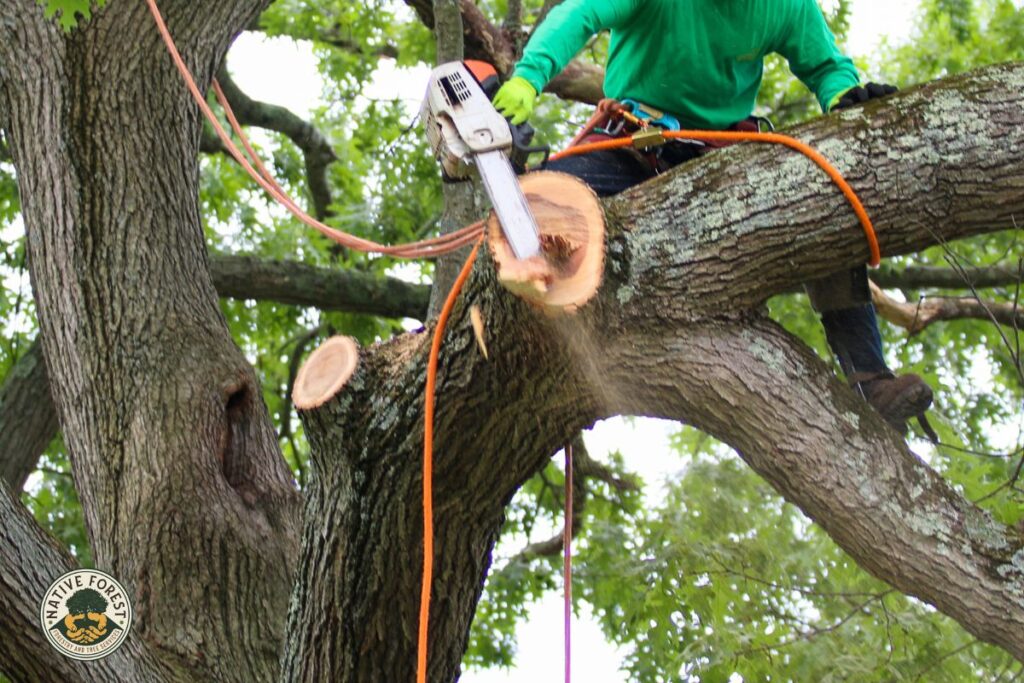
Larger trees take longer to remove and require more people and more equipment. Smaller trees are usually simpler and faster. Species matters too. Some trees have very dense timber or wide spreading branches that make the work more technical. Very tall species often need sectional dismantling rather than a straight felling method, which increases the time involved.
Location on the property
Where the tree stands has a major impact on price. A tree in an open garden is straightforward. A tree close to a house, a garage, a conservatory or power lines needs careful rigging and more controlled dismantling. If the tree is surrounded by obstacles or positioned over a structure, the team has to work slowly and with additional safety steps, which increases cost.
Health and condition
A healthy tree behaves predictably. A decayed or storm damaged tree does not. If the trunk is rotten or the branches are unstable, the crew may need to dismantle it in very small sections to avoid sudden failures. Hazardous trees often need extra equipment and more time. This is one of the biggest reasons for price differences between two trees of the same size.
Access to the site
Good access keeps costs down. If machinery, chippers or stump grinders can be brought straight to the work area, the job is faster and less labour intensive. When access is narrow or blocked, teams may need to carry branches by hand or use smaller machines. Poor access is one of the most common reasons a quote increases.
Equipment requirements
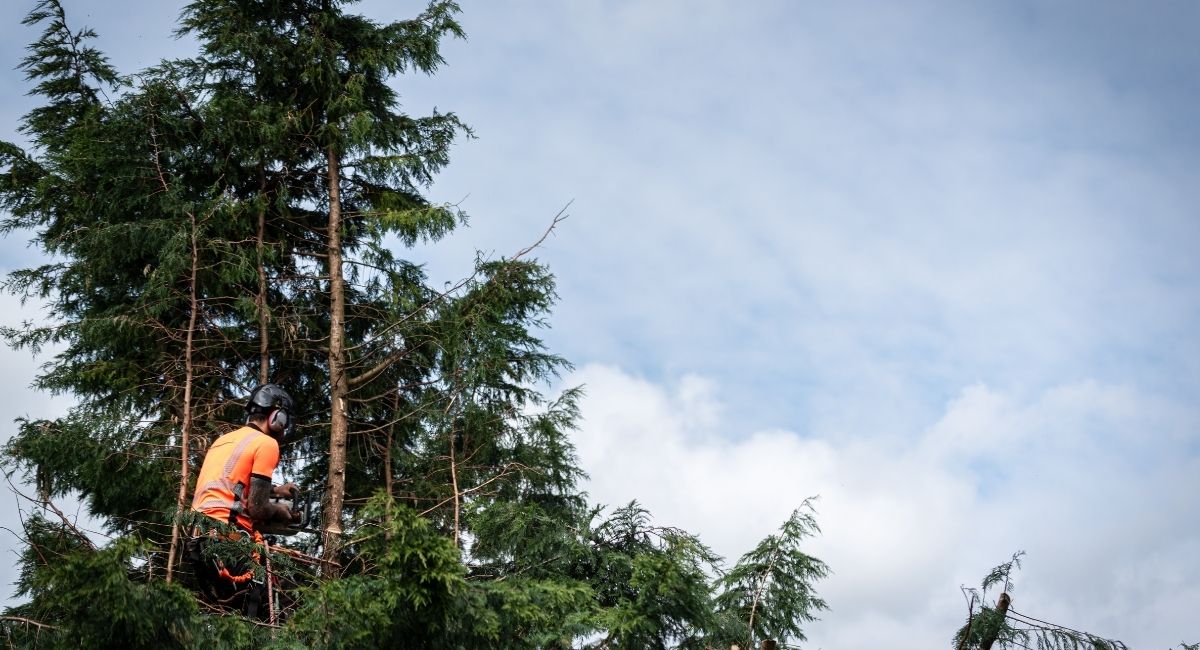
Some removals only need standard climbing gear and chainsaws. Others require cranes, rigging systems, winches or specialist lifting equipment. The more equipment a job needs, the higher the cost. Complex removals that involve lifting sections over buildings or working in confined spaces often require advanced machinery and a larger team.
Local permits or regulations
Some areas require permission before removing a tree, especially if it is protected or located in a conservation area. Permit costs and processing times vary. The removal company will advise you if any permissions are required and factor this into the quote.
Experience and qualifications
Highly trained arborists charge more because they carry full insurance, invest in safe equipment and have the skills to handle hazardous removals. Cheaper quotes often reflect lower training, limited insurance or companies that are not equipped for complex or high risk trees. For safety based work, experience matters.
What to do next
If you need a tree removed, the best place to start is with a site visit and a clear, written quote. A professional tree surgeon will look at the size, condition, location and access, then explain the safest method for removal.
If you want an accurate, transparent price for your tree, contact Native Forest.